
The dilapidation specialists Tier 1 contractors trust to hold up in court.
Pre and post-construction building condition reports for Australia's most scrutinised projects. When a damage claim is made — not if — your report has to defend it.
- Reports compliant with AS 4349.0
- 15 years, family-owned
- 1,000+ surveys every quarter
- Australia-wide



15 years · Family-owned · Reports compliant with Australian Standard AS 4349.0
When a damage claim lands, a generalist report won't defend it.
Litigation exposure
A neighbour claims construction damage. If the report is thin, the contractor wears six-figure legal costs and a contested liability.
Programme delay
Disputed condition holds up site possession. Every day the evidence is questioned is a day the programme slips.
Reputation on the line
The project manager who signed off a generalist report is the one explaining why it didn't hold when it mattered.
A defensible report, the right way.
Services Proposal
Desktop review of requirements, scope defined, and a detailed itemised quote with clarity on pricing, methodology and deliverables.
Project Kick-Off
Access logistics confirmed, a dedicated project coordinator assigned, scheduling and stakeholder communications managed for on-time bookings.
Access Arrangement
Access initiated via doorknocks, SMS, postal letters, calls and emails; every attempt recorded to maximise inspection success rates.
Specialist reports, backed by structural engineers.
Dilapidation Reports
Pre and post-construction property condition reports that document existing conditions and provide a defensible baseline — residential, commercial and infrastructure.
Learn more →SIAStructural Integrity Assessments
Evaluate the structural performance and stability of assets, identifying weaknesses or potential failures early for safety, compliance and informed remediation.
Learn more →DOADefect Origin Assessments
Investigate and determine the root cause of defects with evidence-based reporting — supporting remediation, dispute resolution and accurate liability.
Learn more →DCADefect Comparison Assessments
Compare pre and post-construction conditions to identify changes and construction impacts, supporting claims management and transparent reporting.
Learn more →The projects that built our reputation.

Major works, documented to the millimetre.
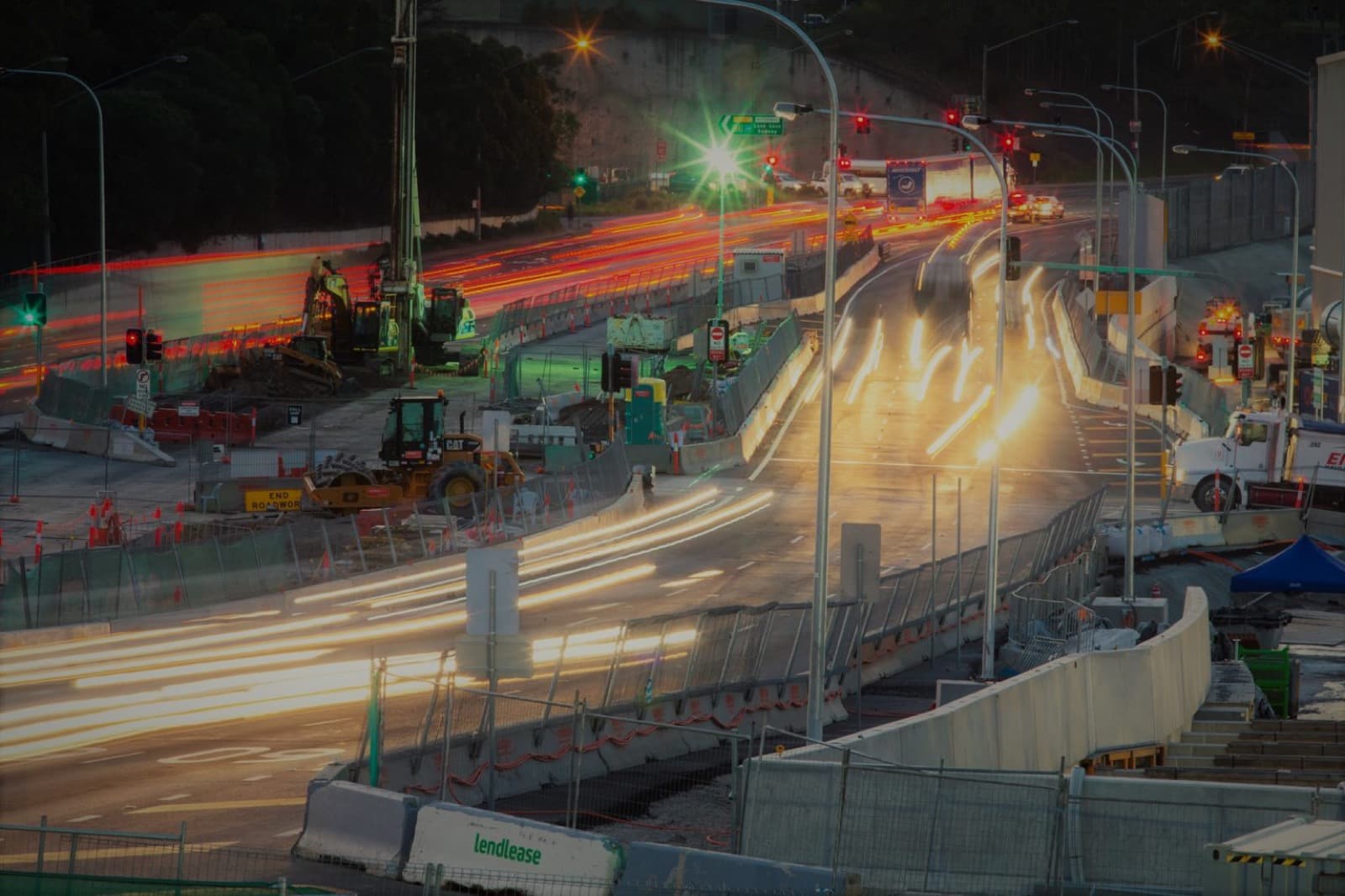
Main South Road Duplication
Fleurieu Connections Alliance · South Australia
- 40,000+Photos captured (pre & post)
- 175Properties inspected
- 50km+Roads assessed via vehicle-mounted video
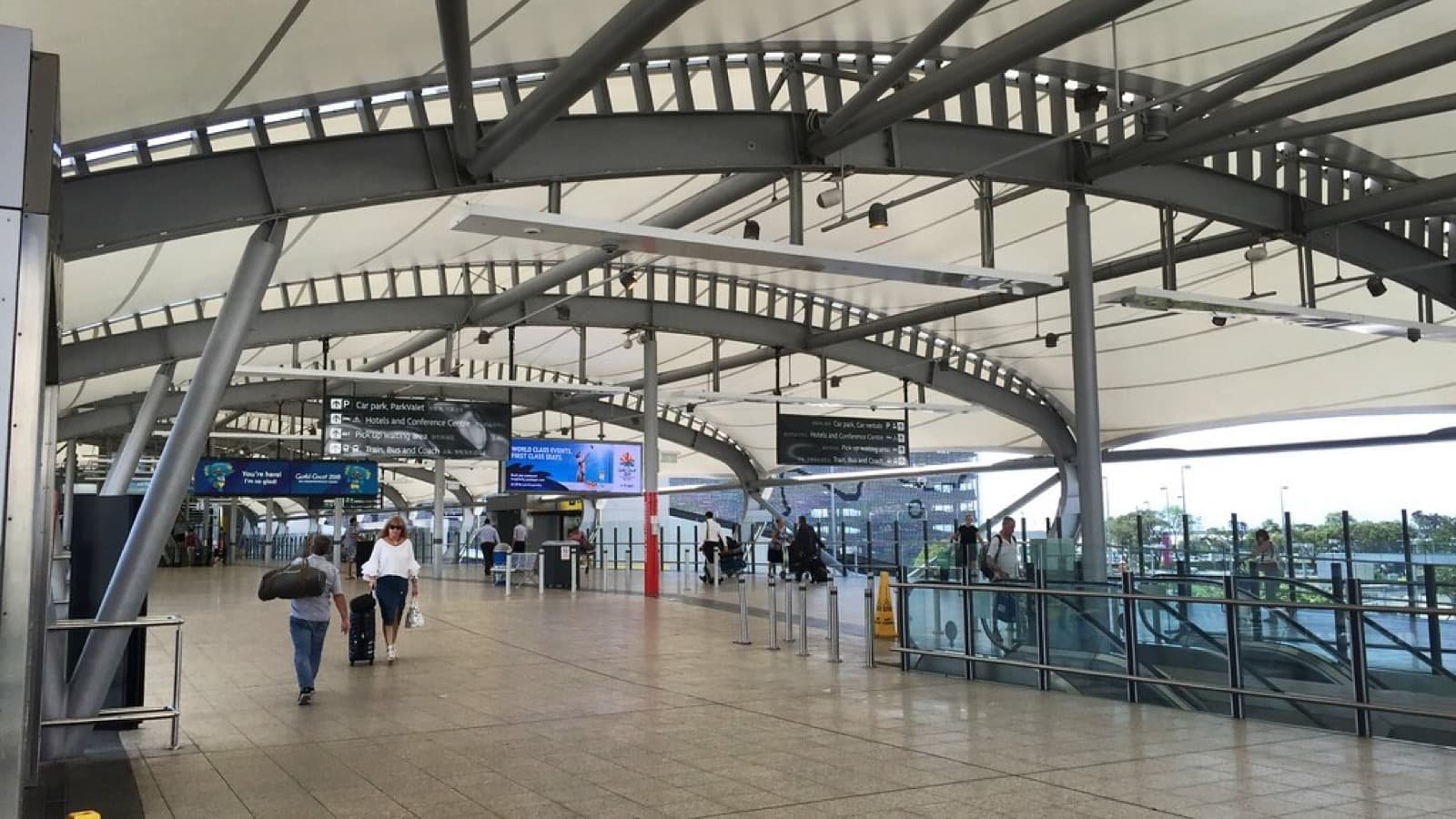
Ipswich Hospital
Bennett + Bennett · Ipswich, QLD
- 5,000m²+Inspected (plant rooms, roofs, wards)
- 4,108Location-marked photos
- 782Defects measured & classified by engineers
Glenrowan Solar Farm
UGL Pty Limited · Glenrowan, Victoria
- 20kmRoadways & adjacent assets captured
- 3,036Georeferenced photos
- 2,549Scheduled inspection minutes
Specialist work deserves specialists.
A family-owned business with a 15-year history and a team of structural engineers experienced in defect classification. We deliver thorough, impartial, high-quality reports that provide a defensible record of existing conditions — for any project scale or environment.
Every report is compliant with Australian Standard AS 4349.0, combining ultra-high-quality imagery, precise defect annotations and pinpoint location references.
The delivery team
Dilapidation reports, answered.
What is a dilapidation report, and why do I need one?+
A dilapidation report documents a property's condition before construction, renovation or demolition works on adjacent properties. It creates a baseline record of existing defects to protect all parties from disputes about damage during works. Reports are typically required by owners, builders, developers, councils and building surveyors as a condition of approval, and they help mitigate future damage claims.
When should I get a dilapidation report?+
Ideally before any construction, renovation or demolition works begin on adjacent properties — as early as possible. They're also advisable near major works such as roadworks, excavation or high-rise development that could impact the property.
Who is responsible for obtaining a dilapidation report?+
Generally the property owner, builder or developer arranges and pays for the report. Regulatory authorities or councils may require it as an approval condition. While one party usually bears responsibility, all affected parties — neighbouring owners, tenants and others potentially impacted — benefit from having the report.
How long does it take to complete a dilapidation report?+
A standard residential inspection typically takes 15 to 45 minutes; larger commercial properties or complex structures take longer. Report writing afterwards can take several days to weeks depending on complexity. Allow sufficient time before construction begins to document pre-existing conditions accurately.
Protect your project from the dispute that hasn't happened yet.
Tell us about your project and we'll scope it.